Occurrence uses the 30 sampled plots in each community. Community boundaries are not rigid; these are study observations, not a complete Estonian distribution. Study data and methods →
INDEPENDENT BOTANICAL EVIDENCE
General ecology
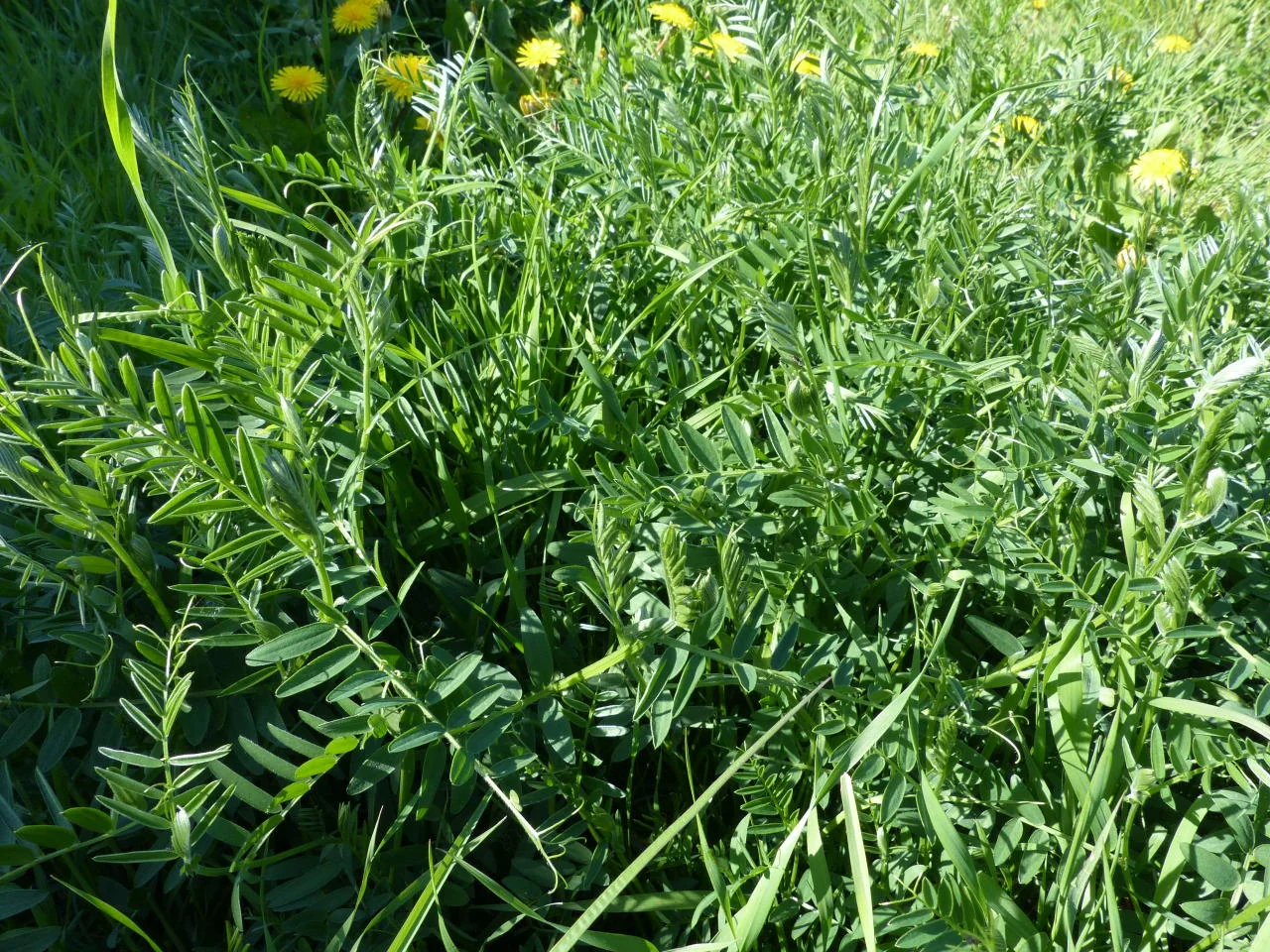
Vicia cracca is a perennial scrambling herb that climbs through surrounding vegetation in meadows, roadsides, verges, shores, forest margins and grassy woodland. Its habitat range is broad and includes both inland and shore settings.
US · Upper Shore5 / 30 · 17%Cover among 4 plots: median 5% · IQR 5–5%
TG · Tall Grass19 / 30 · 63%Cover among 11 plots: median 5% · IQR 5–6%
Saardu10 / 20 plots
Keemu10 / 30 plots
Koera5 / 30 plots
Kudani0 / 40 plots
FINBIF TAXONOMY
Current verified classification
kingdomPlantae Haeckel
phylumTracheophyta Sinnott ex Cavalier-Smith
classMagnoliopsida Brongn.
orderFabales Bromhead
familyFabaceae Lindl.
genusVicia L.
speciesVicia cracca L.
OUR MEASURED TRAITS
Pool-wise CCI and leaf area
Trait values are pooled measurements collected during the 2024 coastal-meadow field campaign and are study observations, not fixed species constants. Only summaries with at least five measurements are shown.
OUR 2024 MEASUREMENTS
Chlorophyll Content Index
1.5
Range 0.9–8.9 · average 2.63 · n = 6
Licensed FinBIF photographs
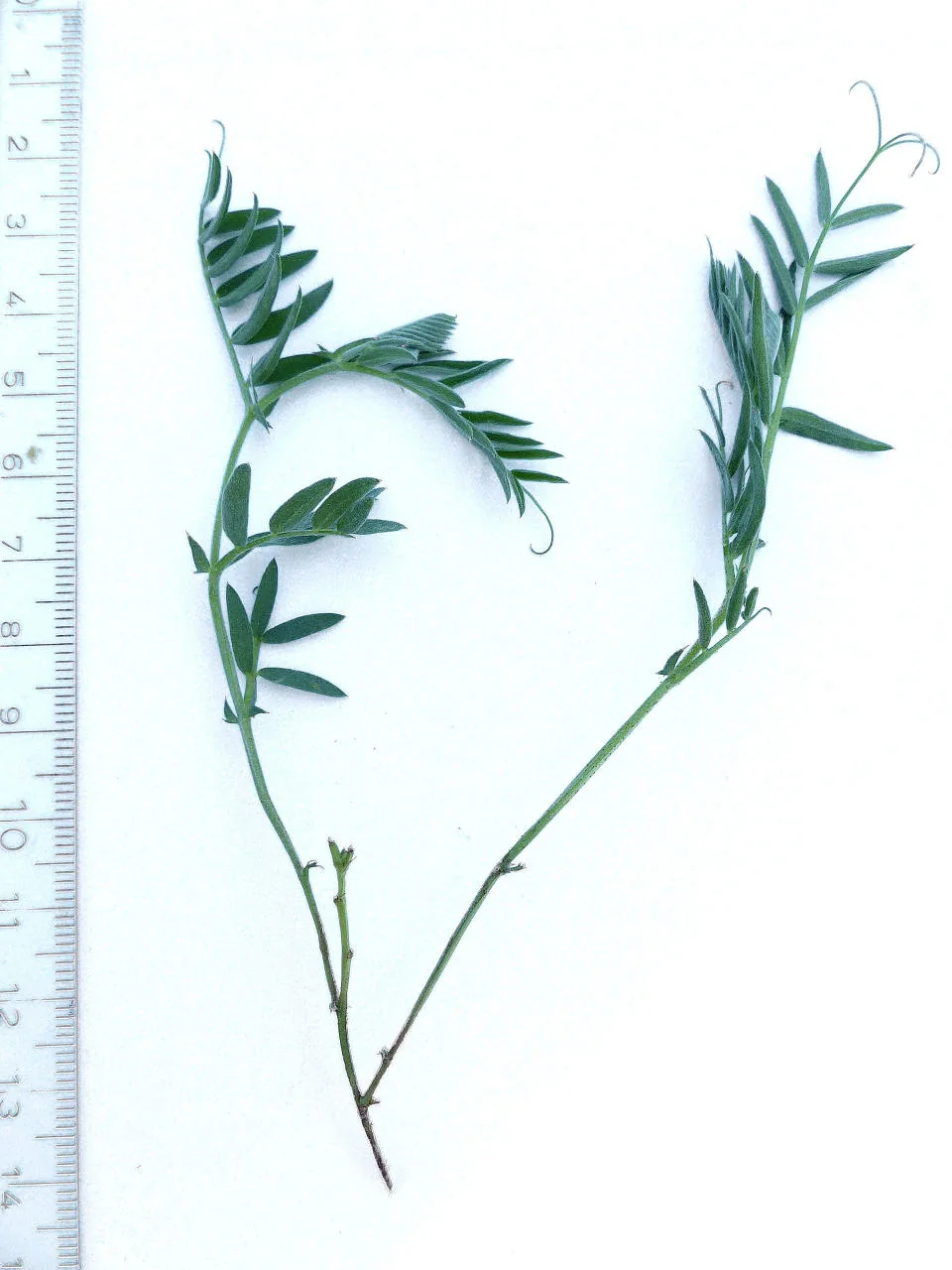
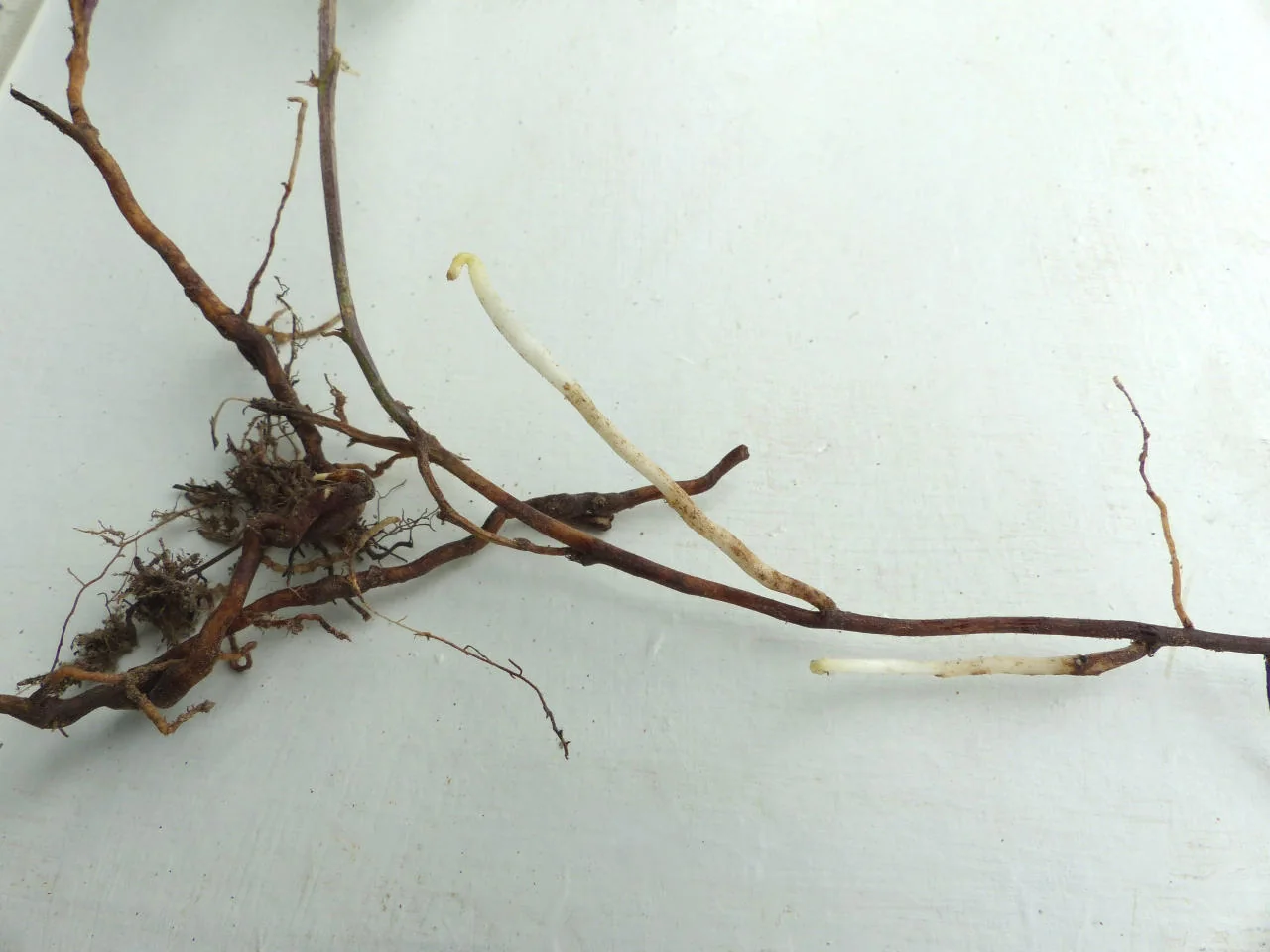
Additional photographs
These views complement the primary photograph above without repeating it. Use them alongside a regional identification key; photographs alone are not sufficient for a field identification.
These steps show what this record contributes to the 2024 study. They do not turn the taxon name into a remotely sensed measurement.
1 · FIELD EVIDENCE25 of 120 plots
15 occupied plots have a positive numeric cover value available for occupied-plot cover summaries.
2 · TRAIT ELIGIBILITYCCI n = 6
Only CCI passed the documented minimum of five measurements. Its species median can contribute to the corresponding plot-level community-weighted mean where cover is available.
3 · MODEL LINKPlot response, not species detection
Plot-level ecological responses are paired with UAV predictors. A fitted model can estimate variation in those responses across the landscape; this record does not train a classifier for Vicia cracca.