General ecology
Galium palustre is a perennial herb of sea and lake shores, meadows, mires, ditches and flood-prone margins. It is wetland-associated across both freshwater and coastal settings.
Sources: FinBIF / Laji.fi ↗
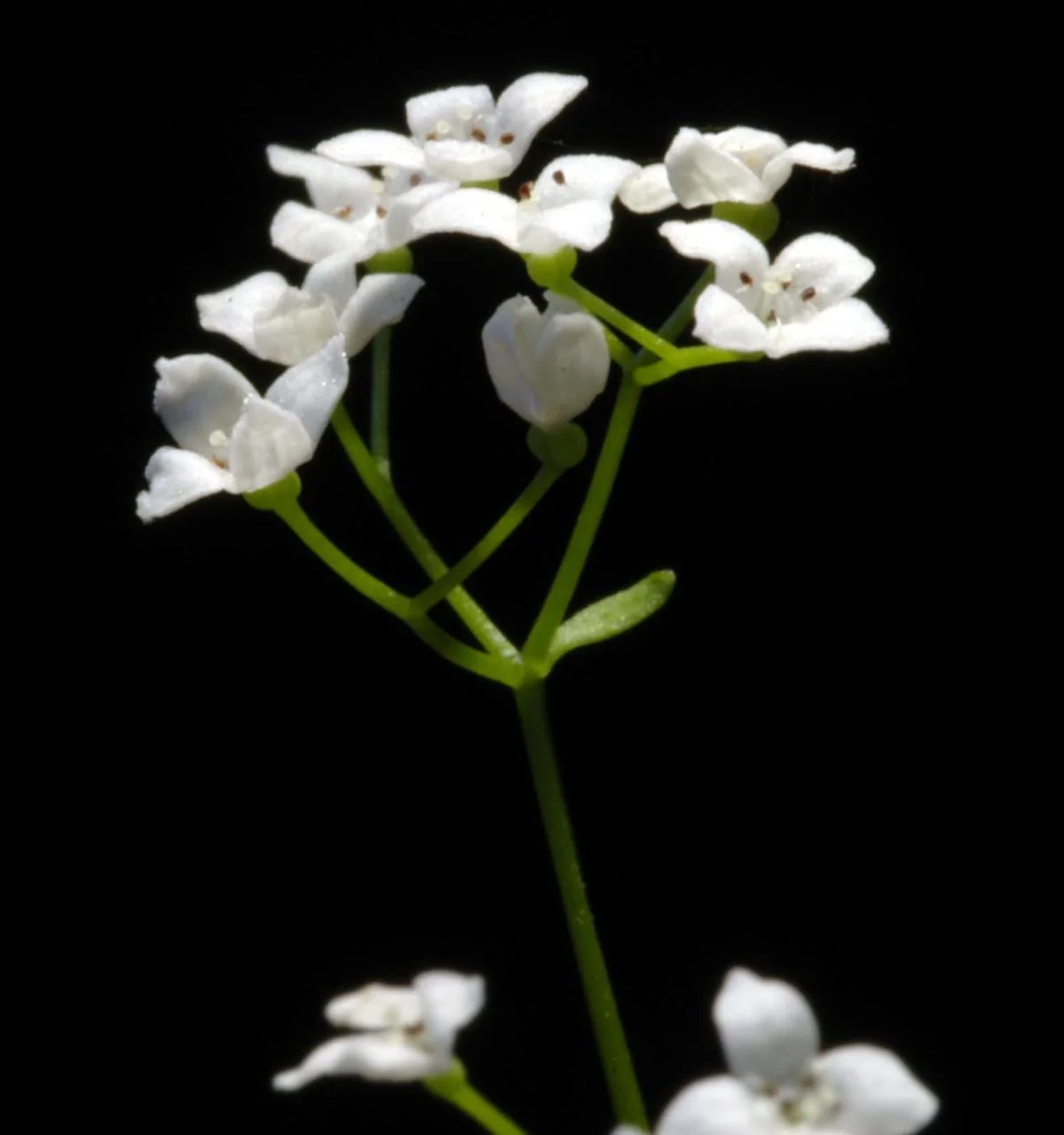
FinBIF accepted taxon · MX.39288
Coastal-meadow position
Occurrence uses the 30 sampled plots in each community. Community boundaries are not rigid; these are study observations, not a complete Estonian distribution. Study data and methods →
Galium palustre is a perennial herb of sea and lake shores, meadows, mires, ditches and flood-prone margins. It is wetland-associated across both freshwater and coastal settings.
Sources: FinBIF / Laji.fi ↗
No study label was safely reconciled to this accepted taxon.
FINBIF TAXONOMY
OUR MEASURED TRAITS
Trait values are pooled measurements collected during the 2024 coastal-meadow field campaign and are study observations, not fixed species constants. Only summaries with at least five measurements are shown.
This species did not meet the ≥5-measurement rule in the supplied CCI or leaf-area summary tables.
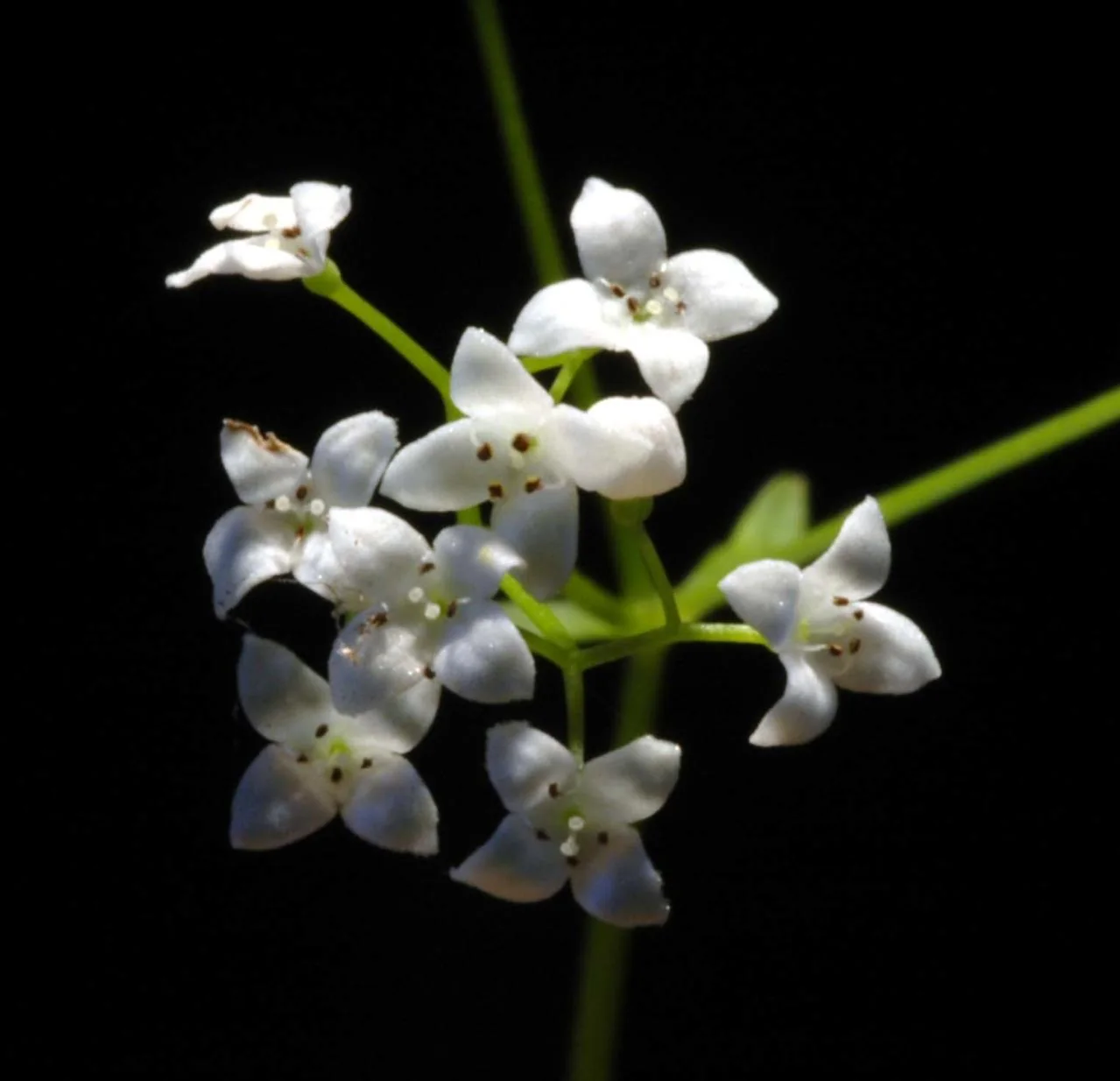
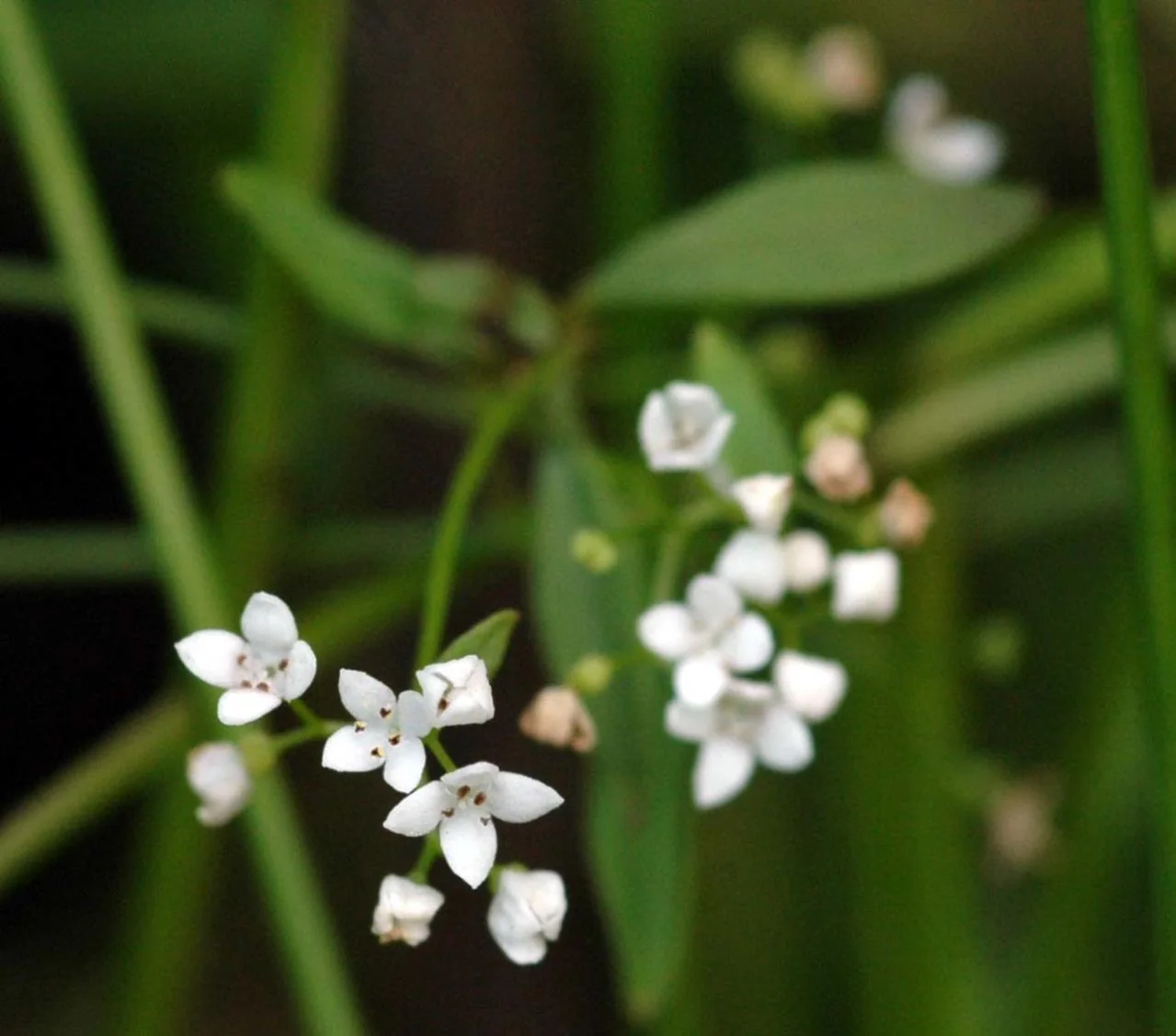
Licensed FinBIF photographs
These views complement the primary photograph above without repeating it. Use them alongside a regional identification key; photographs alone are not sufficient for a field identification.
FIELD DATA → EARTH OBSERVATION
These steps show what this record contributes to the 2024 study. They do not turn the taxon name into a remotely sensed measurement.
This accepted taxon remains a botanical reference in the Atlas but is not used as field evidence in the study summaries.
Neither trait met the documented minimum of five measurements for this taxon, so it contributes no species median to the CCI or leaf-area community-weighted means.
Plot-level ecological responses are paired with UAV predictors. A fitted model can estimate variation in those responses across the landscape; this record does not train a classifier for Galium palustre.
Interpretation boundary: UAV or satellite imagery does not uniquely identify Galium palustre in this study. Follow the complete field-to-EO workflow →